Biodiversity Profile
This manmade wetland undreamed off and serving enormously for the ecological balance of the entire city and considered as the kidney of Kolkata. During the recent time the wetlands are facing tremendous threat due to natural as well as anthropogenic impacts. The EKW is designed wetlands of international importance under Ramsar Convention, however no comprehensive baseline data on the floral and faunal communities of this vulnerable ecosystem. Hence ZSI has initiated to compile all the existing information about EKW as well as collecting further details by conducting exploratory surveys in collaboration with Botanical Survey of India to document its biodiversity. A total of 1924 species including 1287 species of fauna and 637 species of flora have been documented.
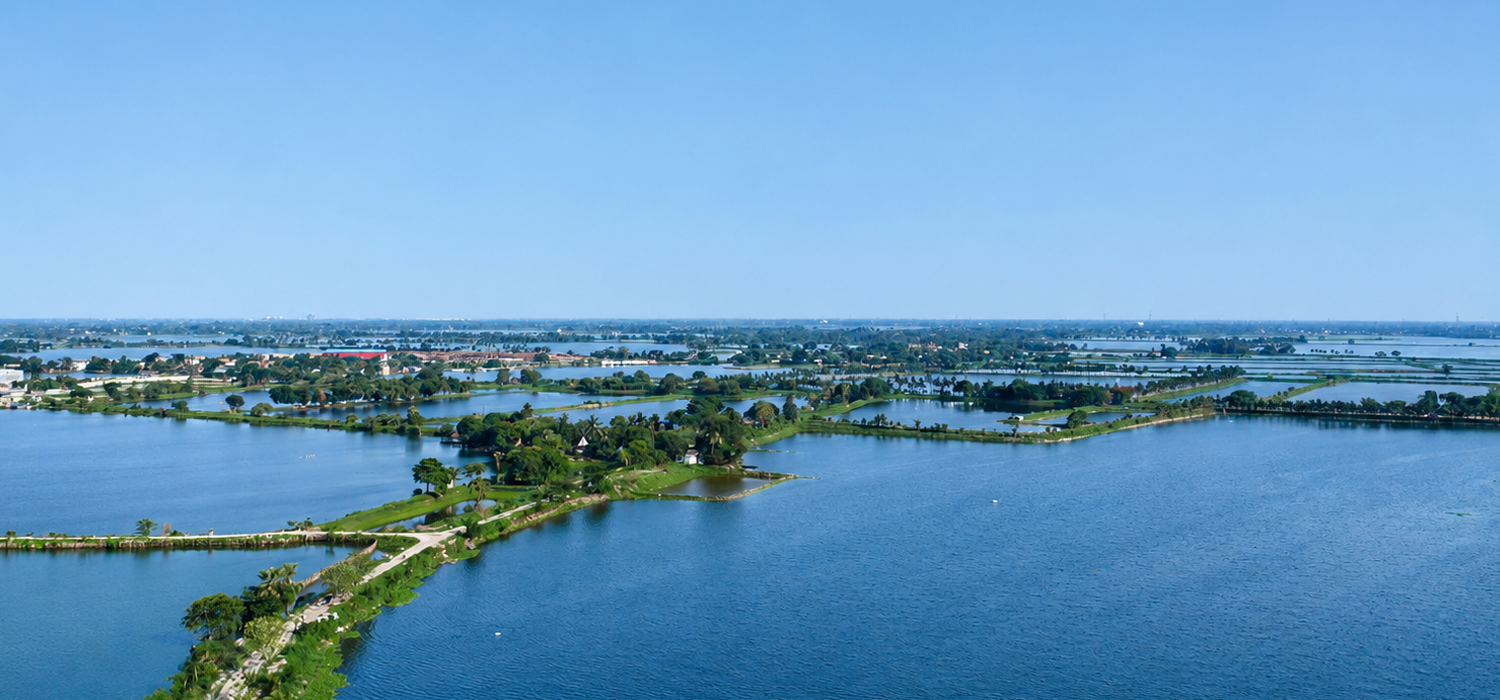

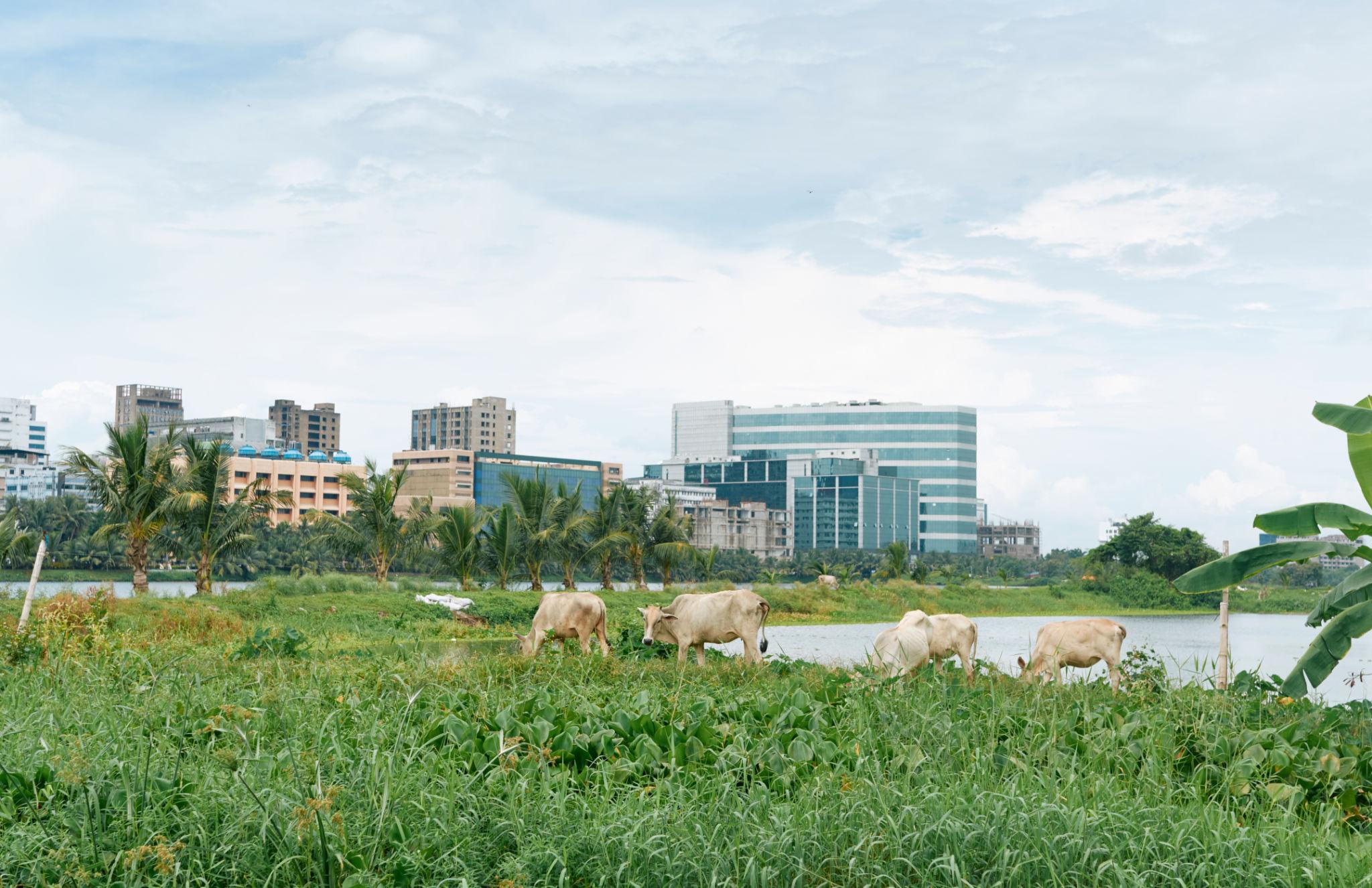

Diversity of East Kolkata Wetlands
- 1924 Total Species Recorded
- 1287 Faunal Groups
- 637 Floral Groups
Faunal Diversity
Total: 1287 speciesThe East Kolkata Wetlands (EKW) support a rich faunal diversity with 1,287 recorded species spanning a wide range of aquatic and terrestrial habitats. Invertebrates dominate the fauna, with moths (205 species), orthopterans (92 species), birds (87 species), fishes (79 species), and beetles (77 species) being particularly diverse groups. The wetlands also harbor significant populations of amphibians, reptiles, and mammals, reflecting the ecological complexity of the ecosystem. As a Ramsar-recognized wetland, EKW provides critical habitat for numerous species and plays an important role in maintaining biodiversity and ecosystem functions in the region.
| # | Group | Species | Contribution |
|---|---|---|---|
| 1 | Protozoa: Free-living Ciliates | 22 | |
| 2 | Protozoa: Free-living Testate Amoebae | 42 | |
| 3 | Rotifera | 37 | |
| 4 | Nematoda | 36 | |
| 5 | Acari: Mites | 50 | |
| 6 | Arachnida: Spiders | 32 | |
| 7 | Crustacea: Cladocera | 25 | |
| 8 | Crustacea: Ostracoda | 3 | |
| 9 | Crustacea: Copepoda | 9 | |
| 10 | Crustacea: Crabs and Shrimps | 24 | |
| 11 | Apterygota | 55 | |
| 12 | Odonata: Dragonflies and Damselflies | 27 | |
| 13 | Orthoptera: Grasshoppers and Crickets | 92 | |
| 14 | Isoptera: Termites | 7 | |
| 15 | Hemiptera: Terrestrial | 45 | |
| 16 | Hemiptera: Aquatic and semi aquatic bugs | 32 | |
| 17 | Hymenoptera: Formicidae: Ants | 50 | |
| 18 | Hymenoptera: Vespidae | 11 | |
| 19 | Hymenoptera: Chalicididae | 11 | |
| 20 | Hymenoptera: Encyrtidae | 17 | |
| 21 | Coleoptera: Beetles | 77 | |
| 22 | Lepidoptera: Butterflies | 75 | |
| 23 | Lepidoptera: Moths | 205 | |
| 24 | Diptera: True flies | 64 | |
| 25 | Molluscs: Gastropods and Bivalves | 22 | |
| 26 | Pisces: Fishes | 79 | |
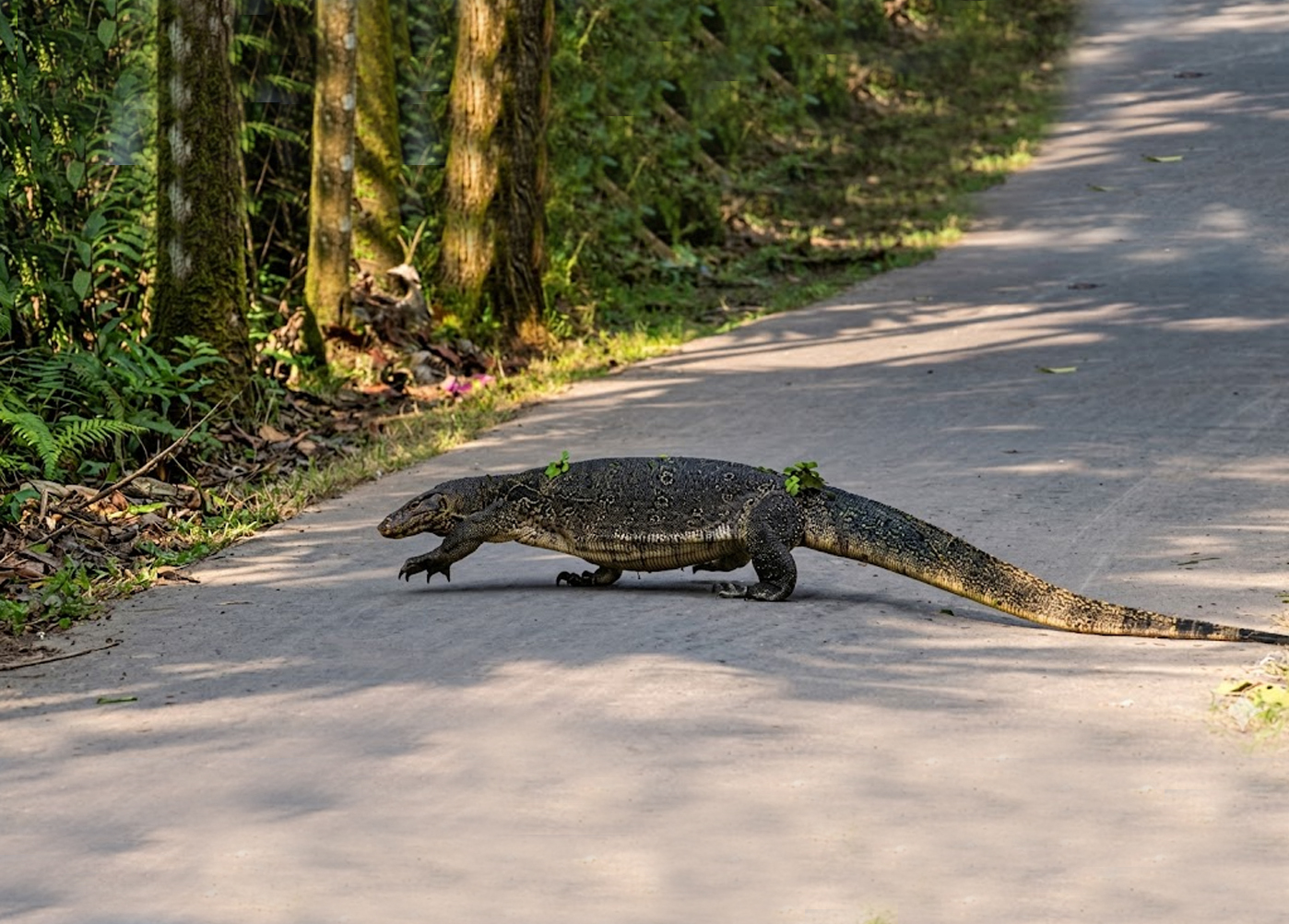
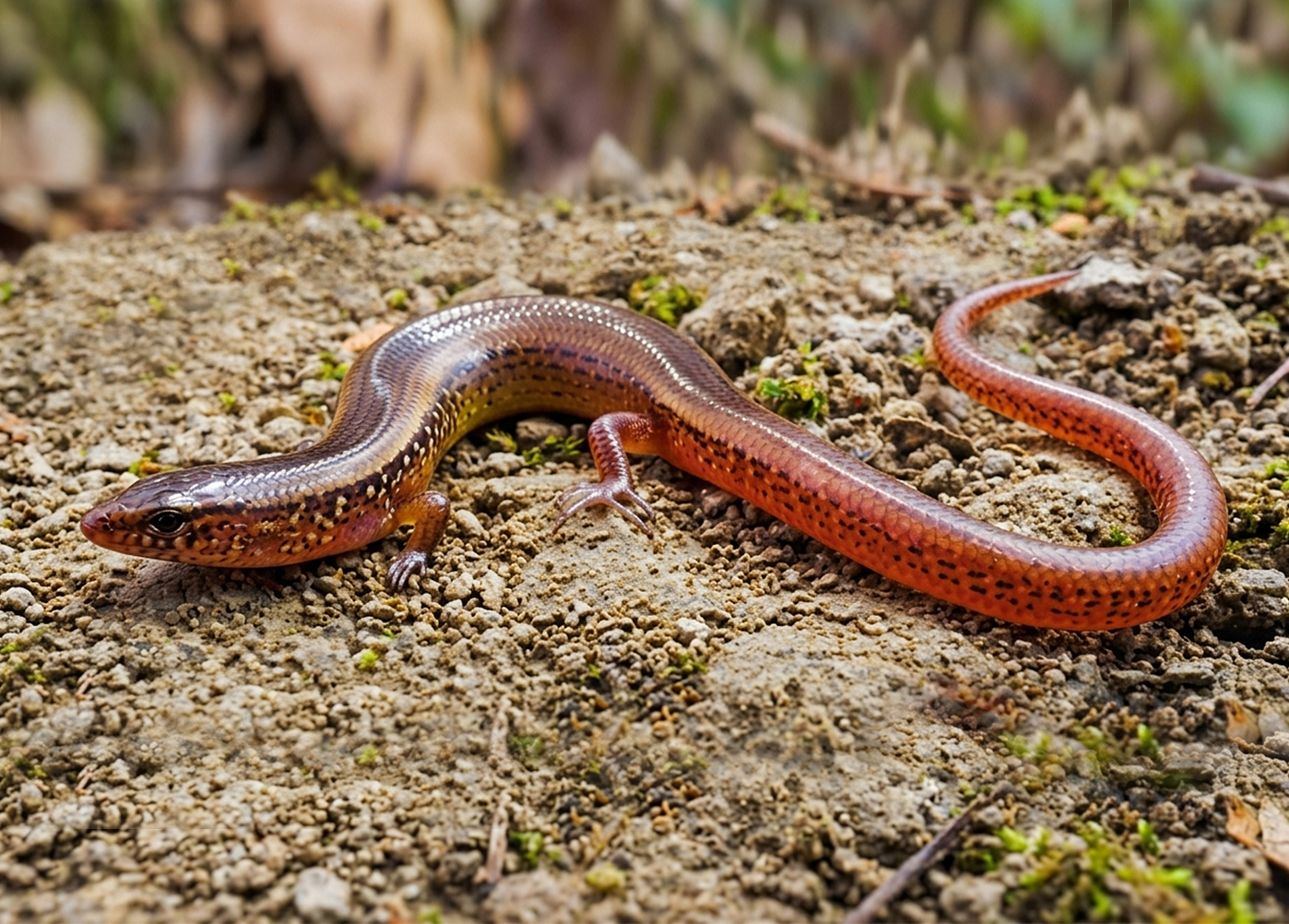
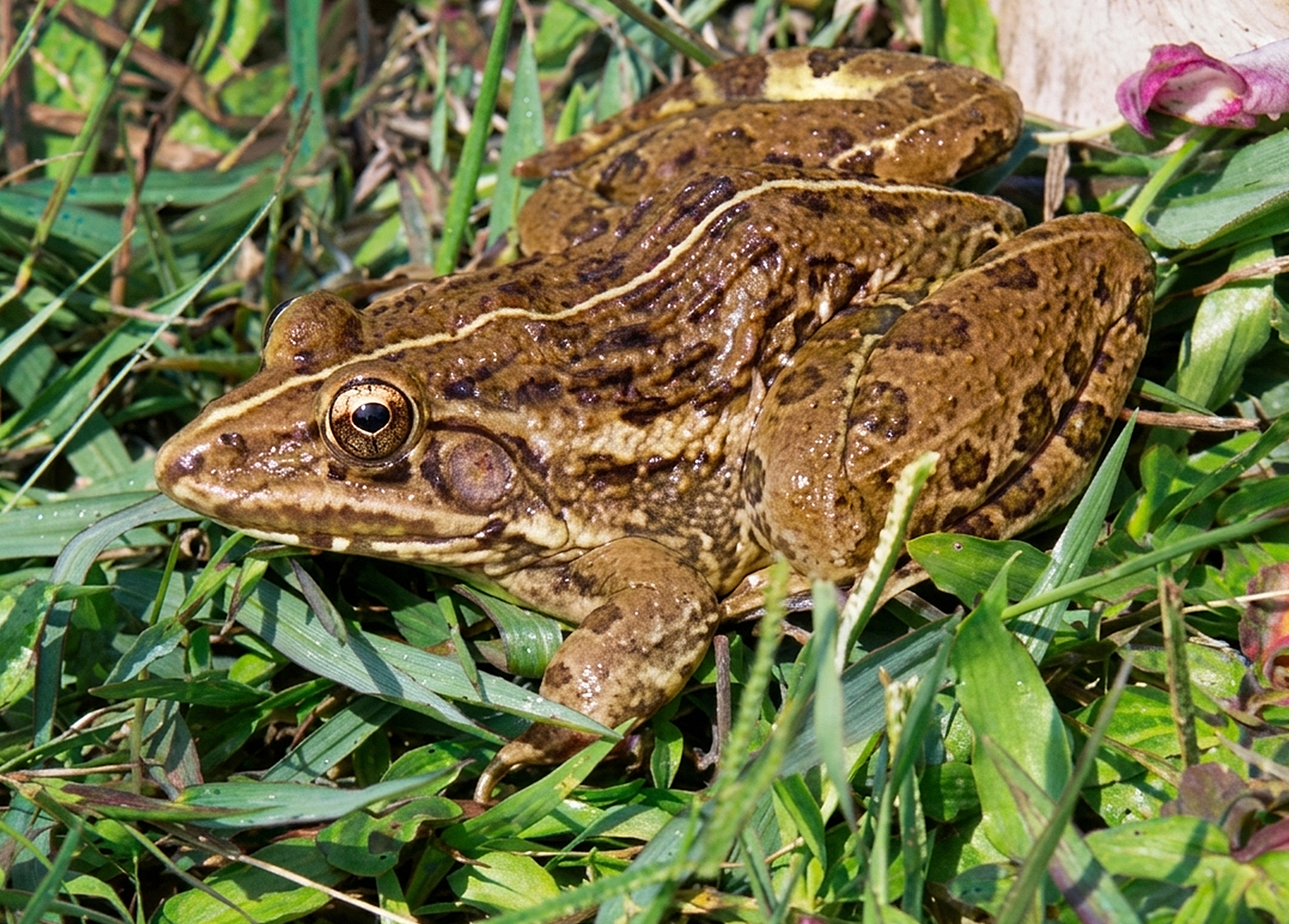
| 27 | Herpetofauna: Amphibians and Reptiles | 39 | |
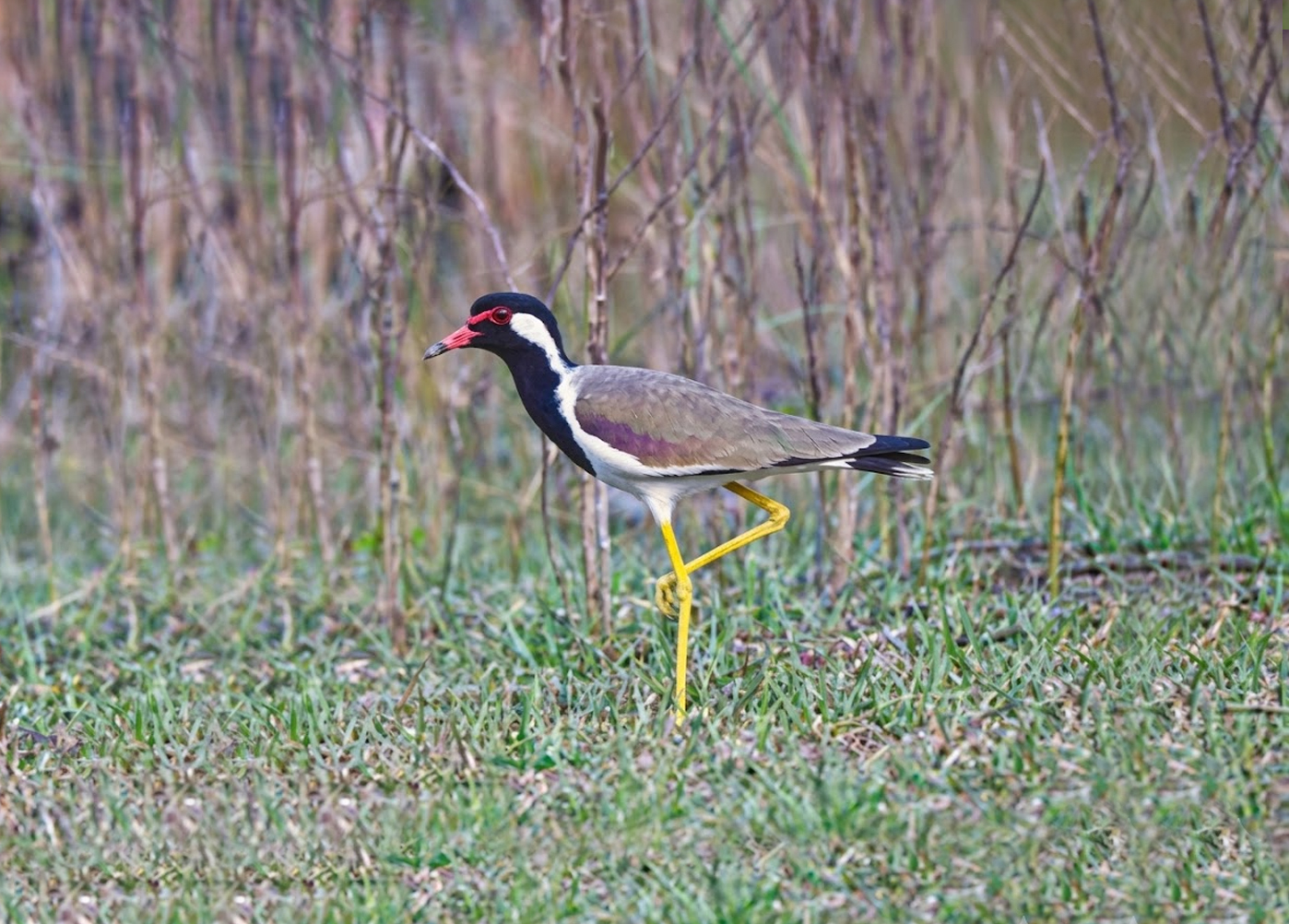
| 28 | Aves: Birds | 87 | |
| 29 | Mammalia: Mammals | 13 |
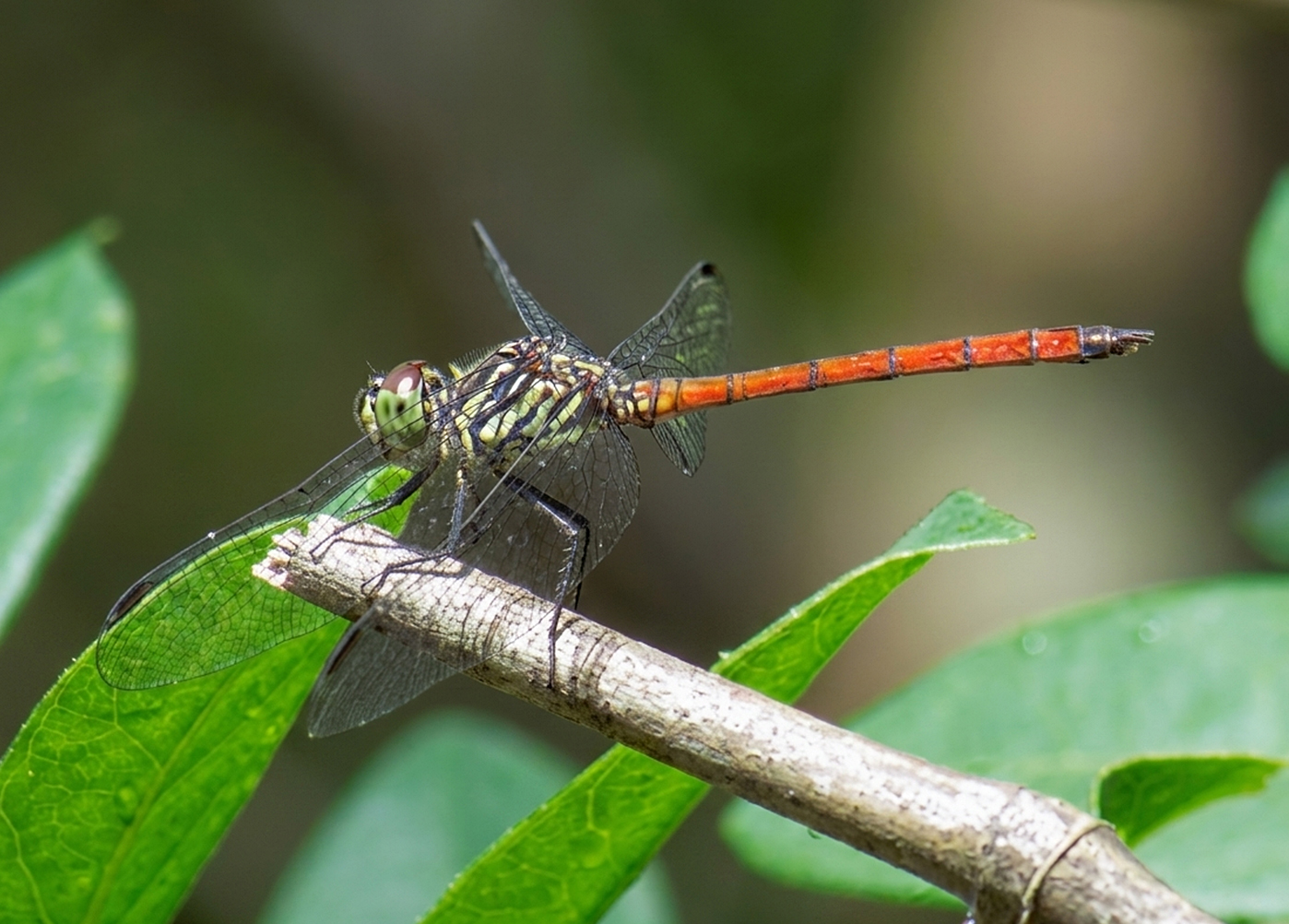
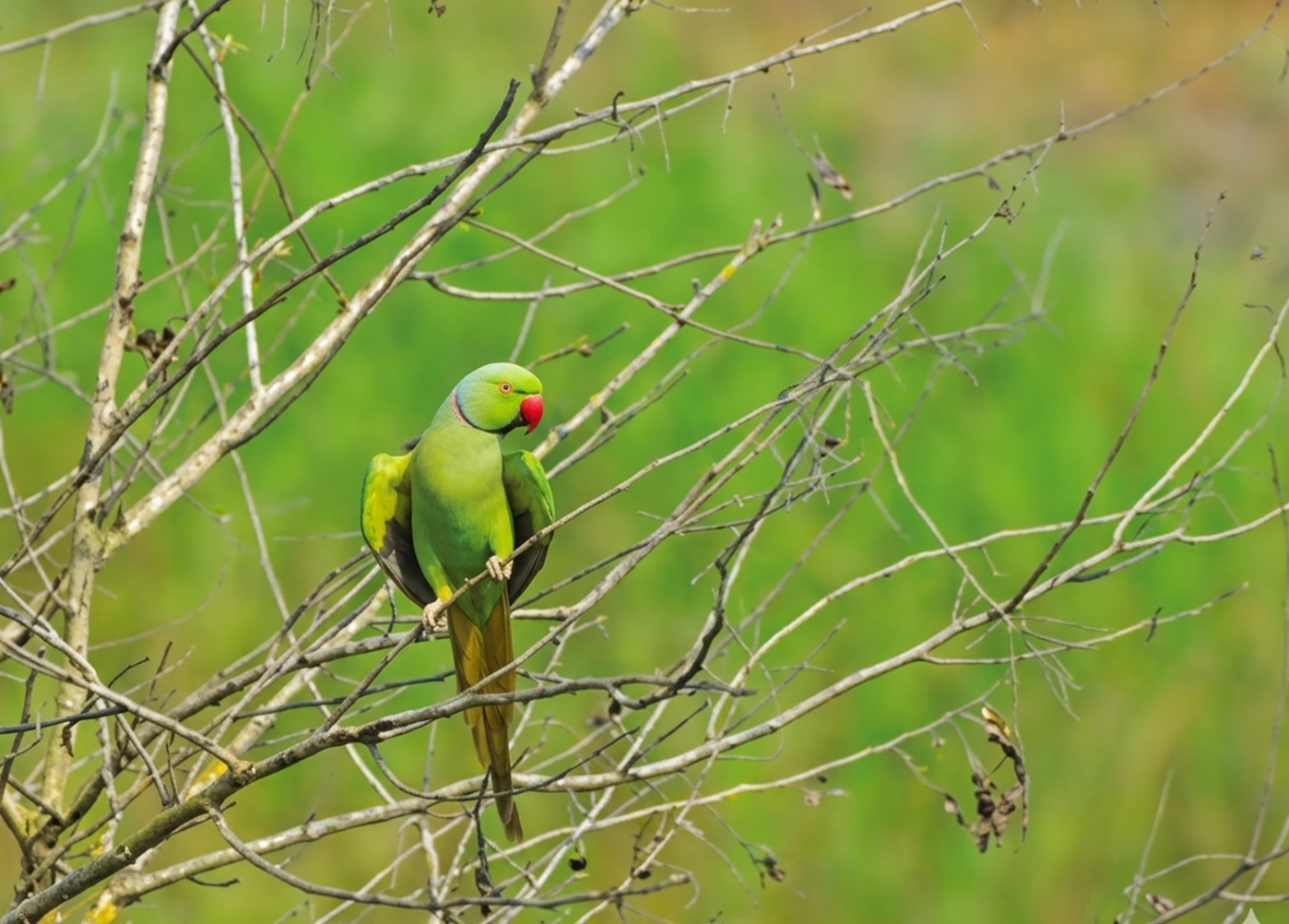


Floral Diversity
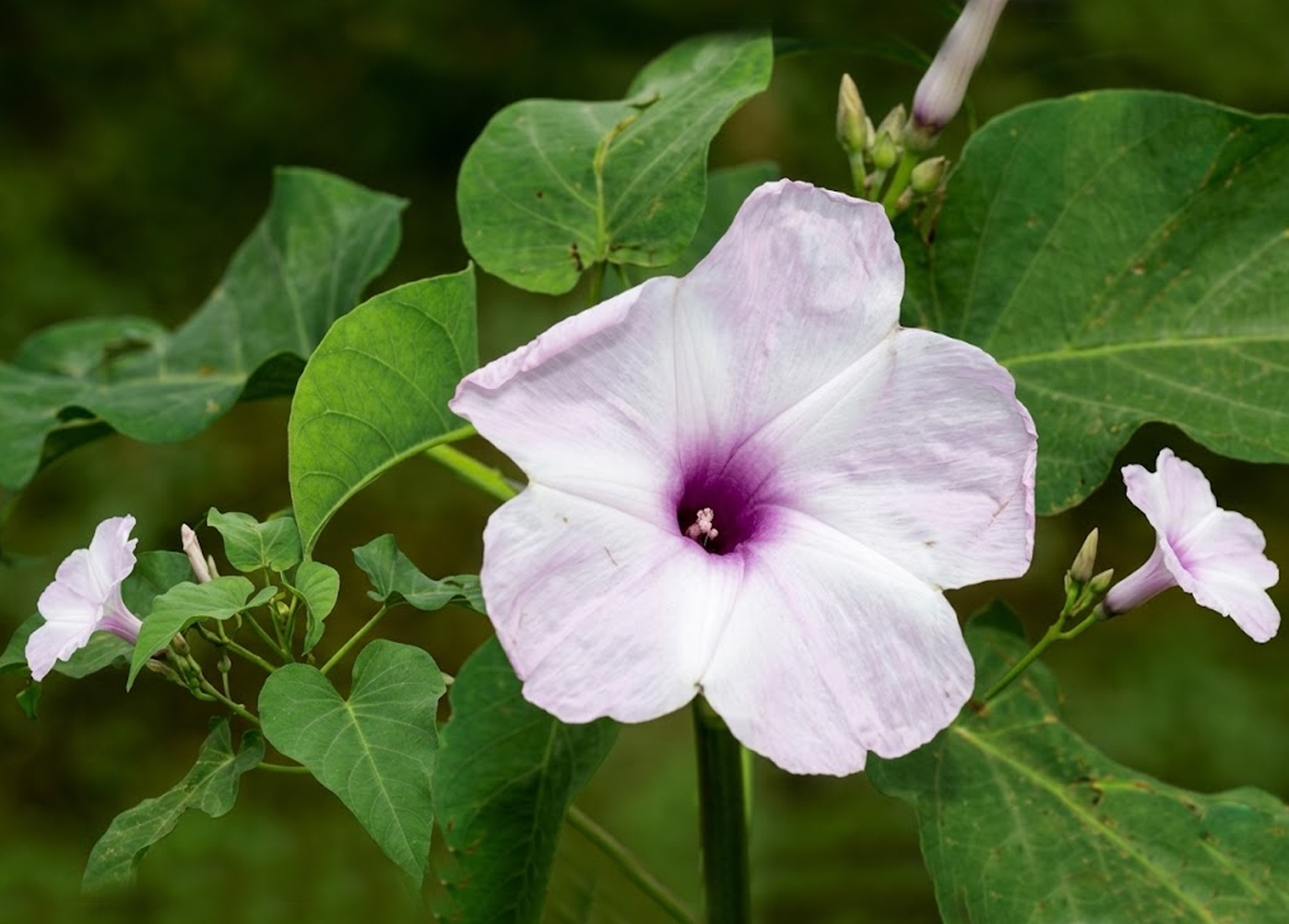
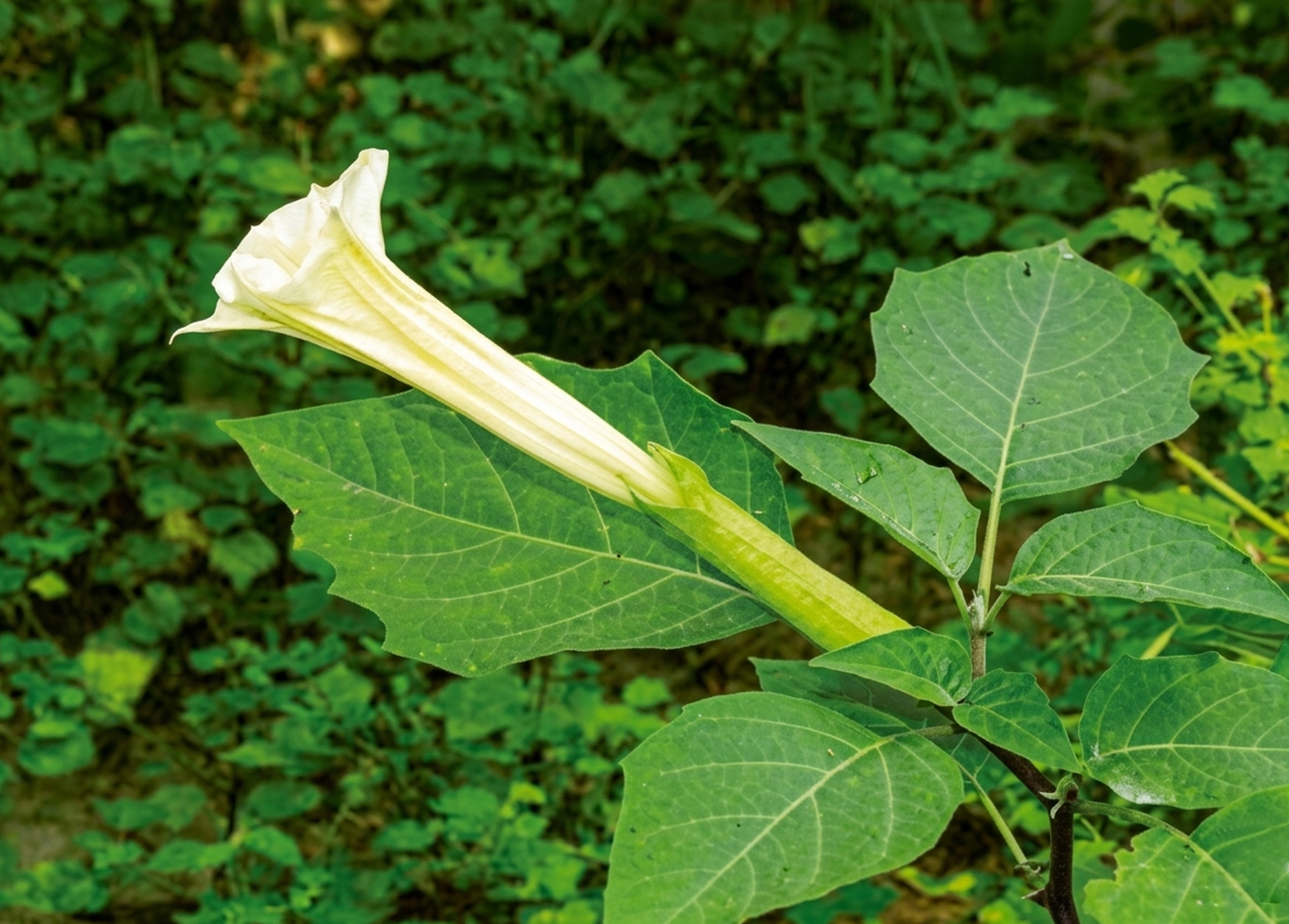
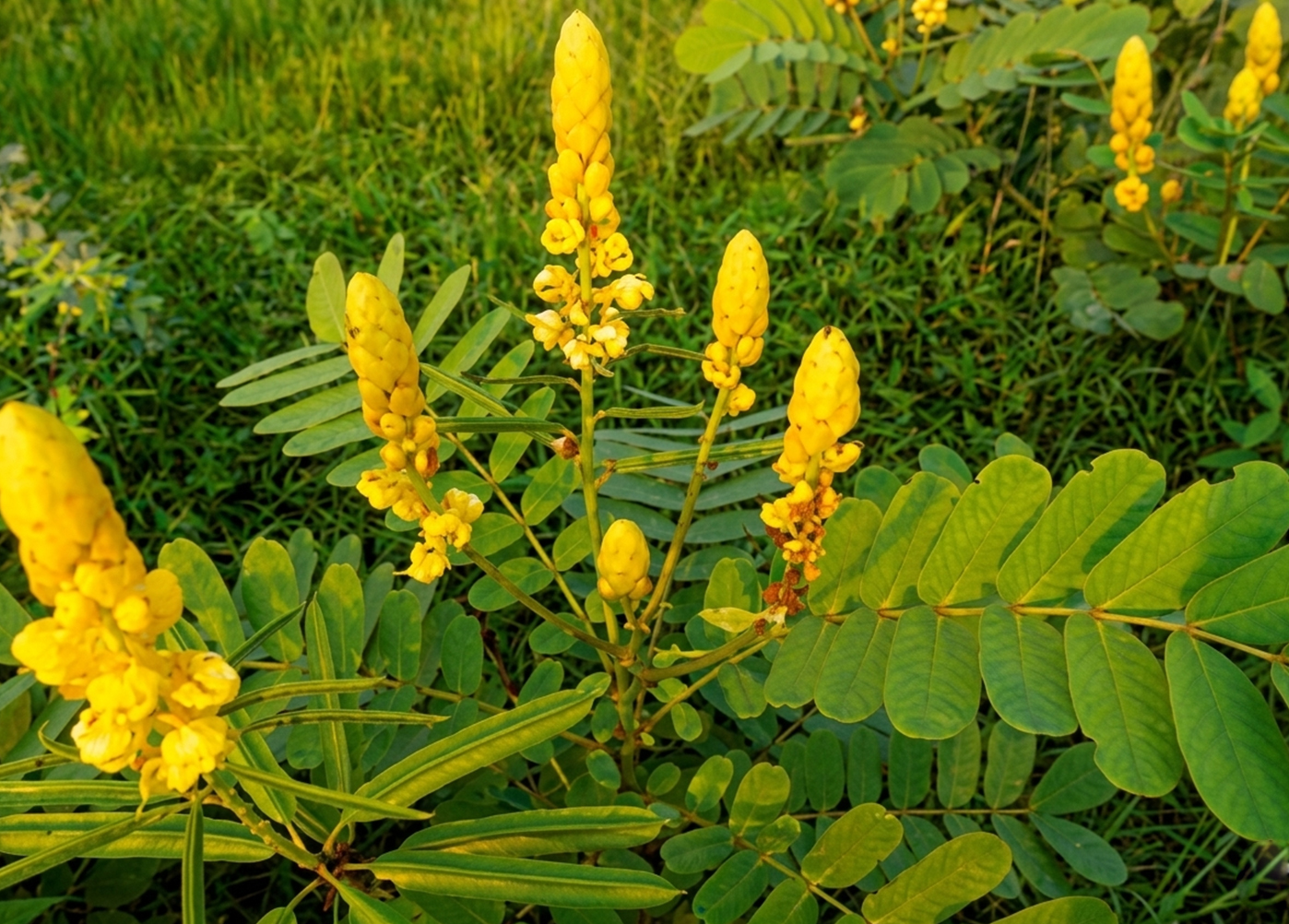
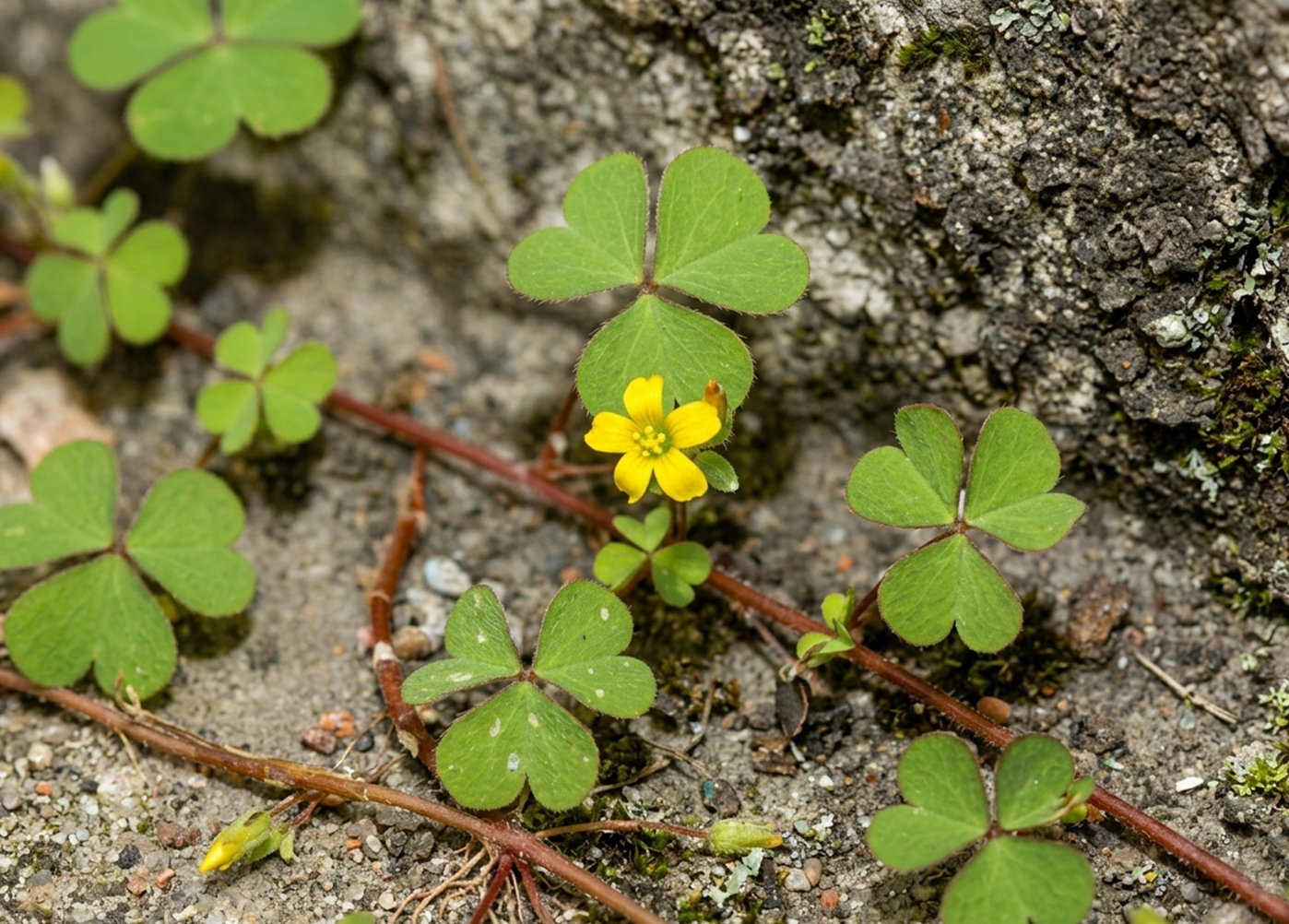
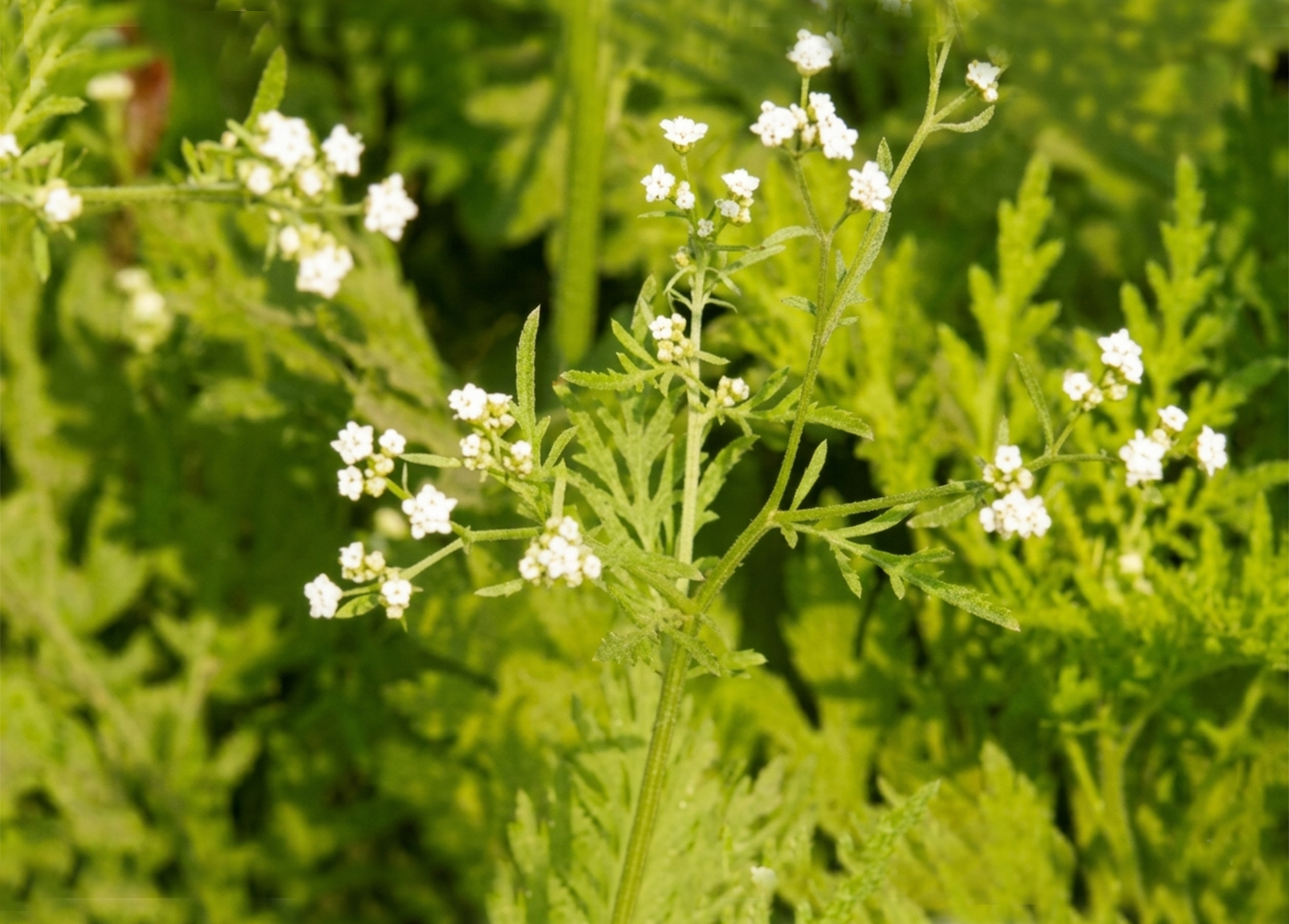
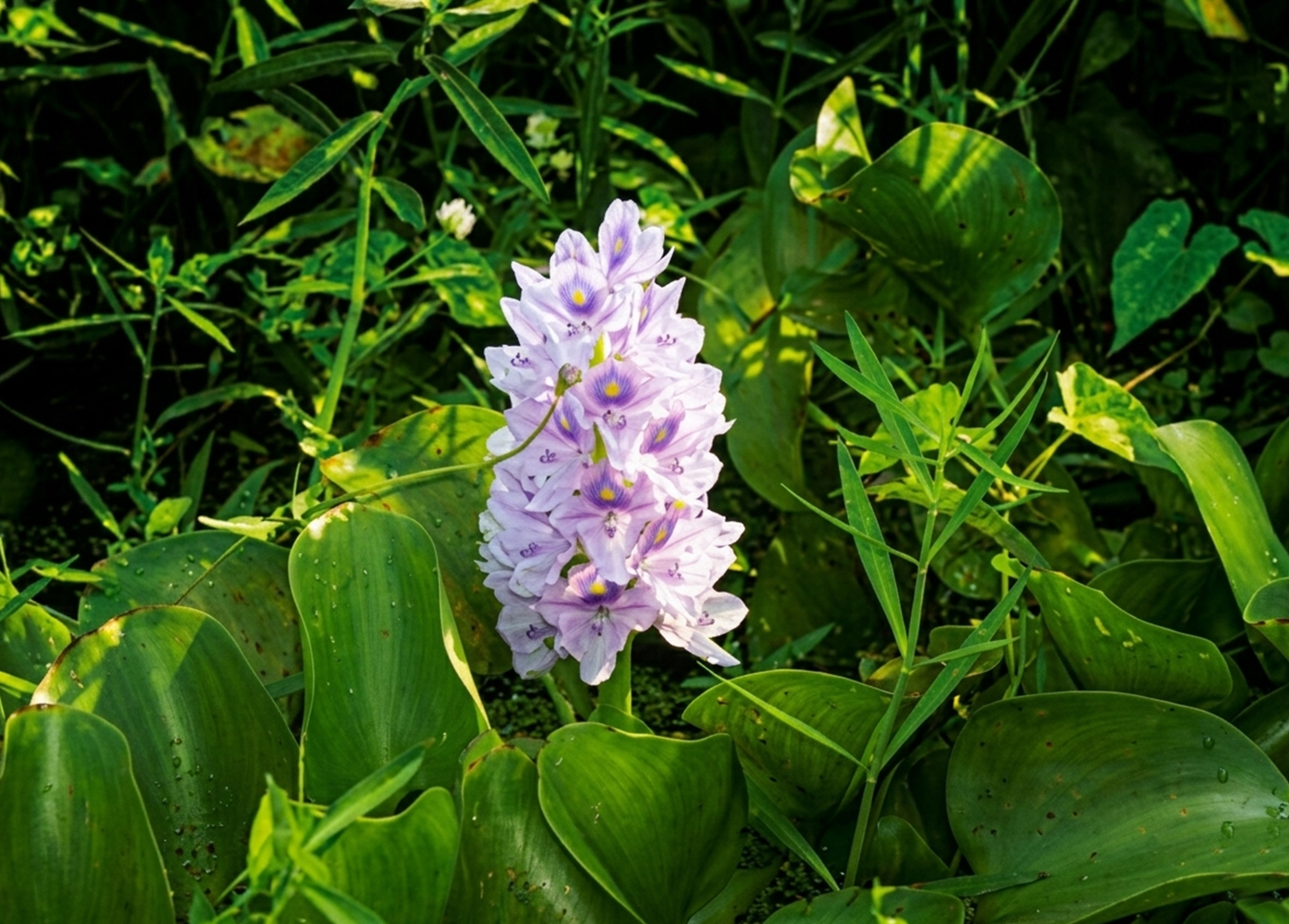
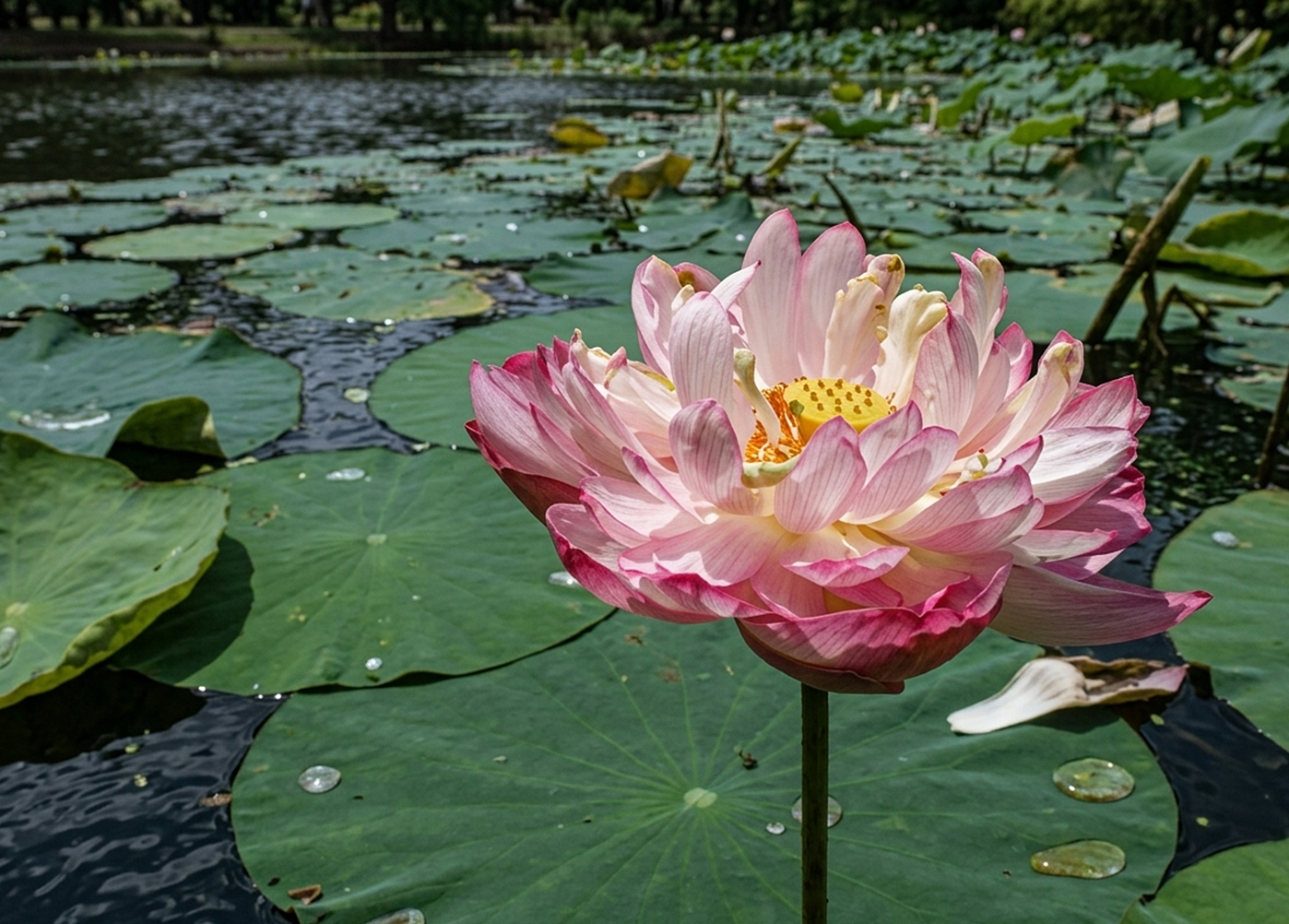
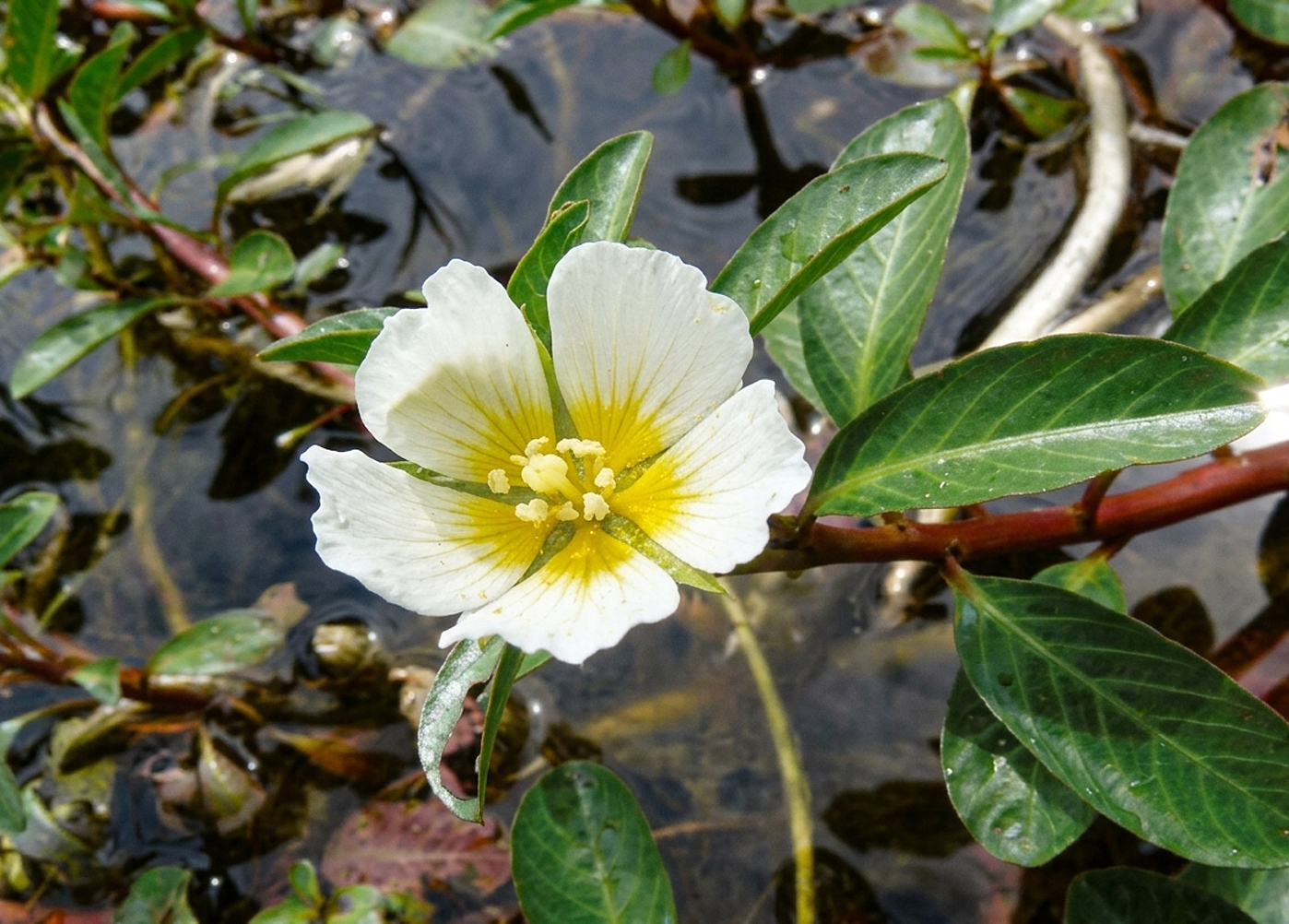
Subtotal: 637The East Kolkata Wetlands (EKW) support a diverse floral community with 637 recorded species, reflecting the ecological richness of this wetland ecosystem. The flora is dominated by vascular plants (381 species), followed by freshwater algae (130 species), which play a vital role in primary productivity and nutrient cycling. Other important floral groups include agro-flora (60 species), macro-fungi (50 species), and bryophytes (16 species). Together, these plant and fungal communities contribute significantly to habitat formation, ecosystem stability, and the overall biodiversity of the East Kolkata Wetlands.
| # | Group | Species | Contribution |
|---|---|---|---|
| 1 | Macro-fungi | 50 |
|
| 2 | Freshwater Algae | 130 |
|
| 3 | Bryophytes | 16 |
|
| 4 | Agro-flora | 60 |
|
| 5 | Flora | 381 |
|